2026 ABN Fellowship
RECIPe: Replication factor complex 1 repeat Expansions and susceptibility to Chemotherapy Induced Peripheral neuropathy
Cancer affects one in four people during their lifetime. Treatments are increasingly effective, but side effects can have lasting impacts. One common complication is chemotherapy-induced peripheral neuropathy (CIPN), caused by damage to the nerves in the arms and legs. Symptoms range from tingling or numbness to burning pain, and in severe cases can permanently affect balance, coordination and walking. Despite being recognised for decades, we still do not understand why 30–40% of patients develop this problem.
A gene called Replication Factor Complex 1 (RFC1) is linked to a rare condition called CANVAS, where people develop nerve damage. Having two “misspelled” copies of this gene causes the disease, but carrying one copy (being a carrier) is common in the UK and usually harmless. However, emerging evidence suggests that carriers may be more likely to develop severe nerve damage after chemotherapy.
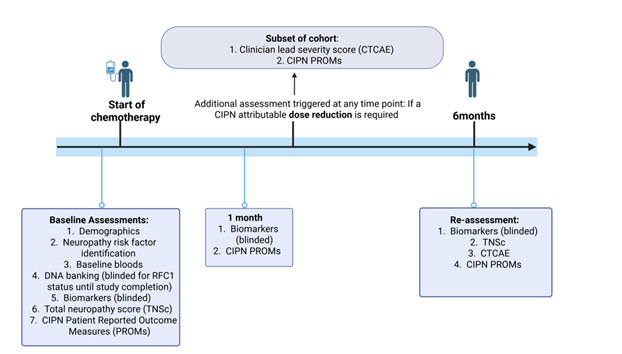
This project will investigate whether carriers of the RFC1 variant are at increased risk of CIPN. We will study cancer patients before, during and after chemotherapy, recording nerve symptoms, nerve function, and blood tests for emerging “nerve damage” markers. We will also test whether these new blood tests can identify nerve injury earlier than symptoms develop. In parallel, we will explore why RFC1 variant carriers may be more susceptible to CIPN by comparing how cell lines with and without the RFC1 variant respond to chemotherapy agents.
If RFC1 carriers are shown to be at higher risk, this simple blood test could help doctors identify patients vulnerable to CIPN. This would allow treatment to be tailored, such as adjusting chemotherapy choice or dose, reducing the risk of permanent nerve damage and improving long-term quality of life for cancer survivors.